


Are you exploring dental implants as an option to replace missing teeth? Choosing the right implant material is an important part of treatment planning. Each material has different features, benefits, and considerations. This guide provides general information to help you understand the options and discuss them with your dentist.
Understanding Dental Implant Materials
01. Titanium Implants
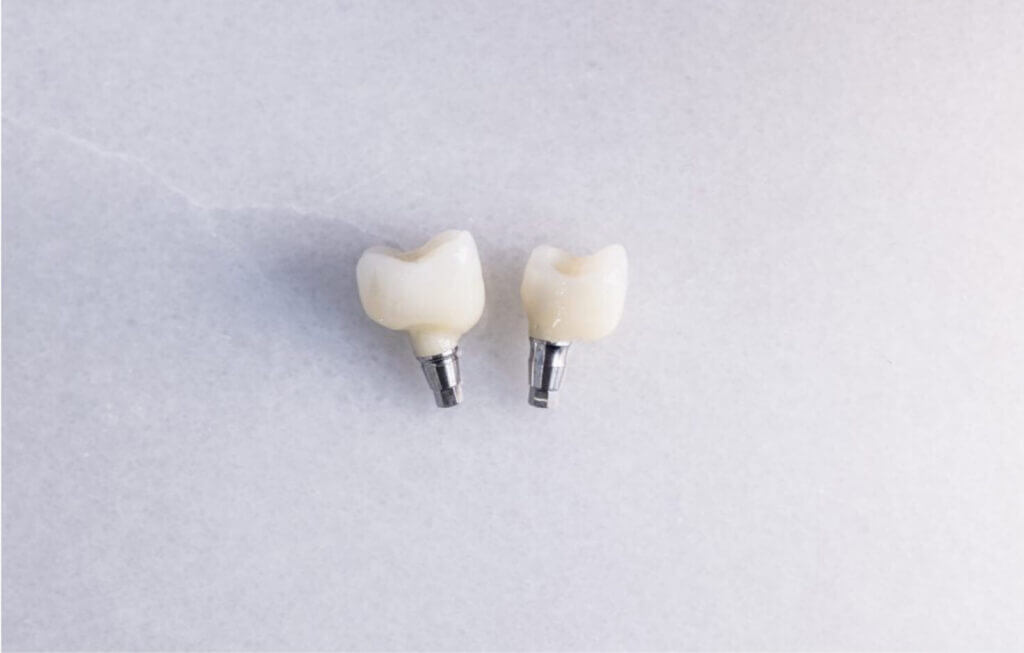
Titanium is one of the most widely used implant materials. It is considered biocompatible, meaning it can integrate with the jawbone in a process called osseointegration. Titanium has been used for many years in dentistry and other areas of medicine because of its strength, durability, and resistance to corrosion.
02. Zirconia Implants
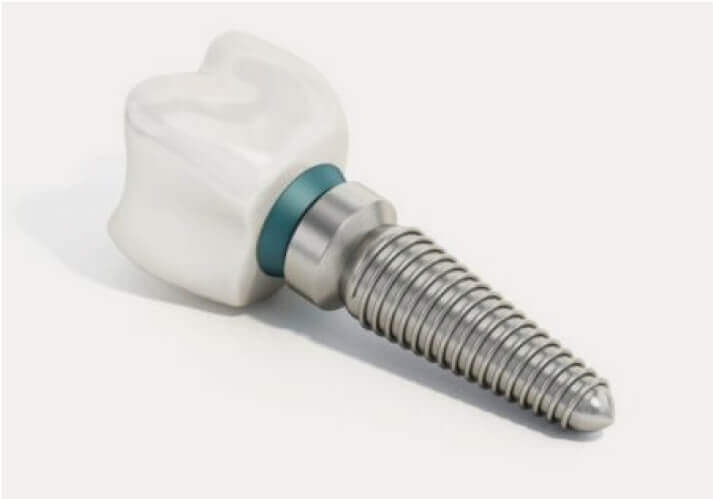
Zirconia is a ceramic material made from zirconium oxide. Like titanium, it is biocompatible and can integrate with bone. Some patients prefer zirconia because it does not contain metal. Zirconia implants may also help reduce plaque build-up on their surface. However, zirconia implants may have different handling and cost considerations, and individual suitability depends on the clinical situation.
“Biocompatibility refers to the ability of the implant material to integrate with the body without causing a reaction. It is vital dental implant materials are biocompatible to reduce the risk of complications.”
Dr. Reuben Sim
Flexible Payment Plan Options Available
Factors To Consider When Choosing Dental Implant Materials
01. Durability & Strength
Both titanium and zirconia are designed to withstand the normal functions of chewing. The longevity of an implant depends on many factors, including oral hygiene, bone quality, and overall health.
02. Biocompatibility
Implant materials are designed to work with the body without causing a reaction. Your dentist will assess your medical history to ensure suitability.
03. Aesthetics
In some cases, the appearance of the implant material may be relevant—especially if the implant is near the front of the mouth. Zirconia can appear more tooth-like in colour, which may be a consideration.
04. Cost
Implant treatment costs can vary depending on the material, the complexity of your case, and additional procedures (such as bone grafting).
Comparing the Two
Titanium Implants
Zirconia Implants

Pros
- Highly durable
- Highly biocompatible
- Oesseointegration properties encouraging bone cells to adhere and grow
- Long lasting
- Not suitable for patients with metal allergies
- Strength & fatigue resistance
- Highly biocompatible
- Translucent property of zirconia for improved aesthetics
- Suitable for patients seeking metal-free alternatives
- Long lasting
- Typically higher cost
Cons
- Highly durable
- Highly biocompatible
- Oesseointegration properties encouraging bone cells to adhere and grow
- Long lasting
- Not suitable for patients with metal allergies
- Strength & fatigue resistance
- Highly biocompatible
- Translucent property of zirconia
for improved aesthetics - Suitable for patients seeking
metal-free alternatives - Long lasting
- Typically higher cost
Important: Outcomes vary between patients. The choice of implant material should be based on clinical assessment, oral anatomy, and your treatment goals.
So, Which Material Should You Choose?
Biocompatibility refers to the ability of the implant material to integrate with the body without causing a reaction. It is vital dental implant materials are biocompatible to reduce the risk of complications to help assist in a successful implant procedure.
Titanium is a commonly used material for dental implants. It is biocompatible and can integrate with the jawbone (osseointegration). Titanium implants are resistant to corrosion, and studies have reported successful outcomes in many patients. Individual results may vary.
Risks and Considerations
Like any surgical or restorative dental procedure, dental implants carry potential risks such as infection, failure to integrate with bone, or complications affecting nearby teeth or tissues. Recovery times, complication risks, and long-term outcomes vary between individuals.
For further information about treatment risks, please visit: Dental Boutique – Treatment Risks
Summary
- Titanium implants: widely used, strong, and resistant to corrosion.
- Zirconia implants: ceramic, metal-free alternative, with aesthetic benefits in some cases.
- Choice depends on your oral health, anatomy, and treatment goals.
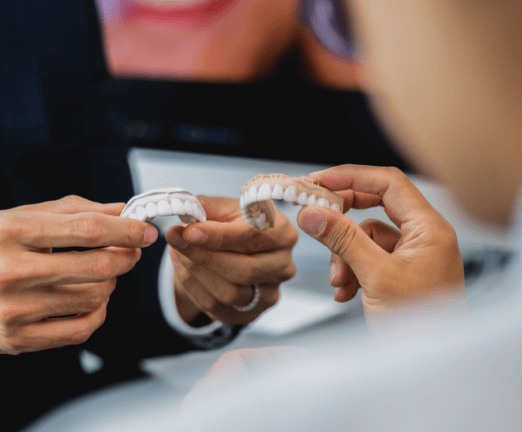
Discover our personalised approach to your smile
Next Steps
Before deciding on implant treatment, it is important to:
- Seek advice from a qualified, board-registered health practitioner.
- Consider obtaining a second opinion to fully understand your options.
- Ensure you have a clear discussion about risks, benefits, costs, and alternatives.