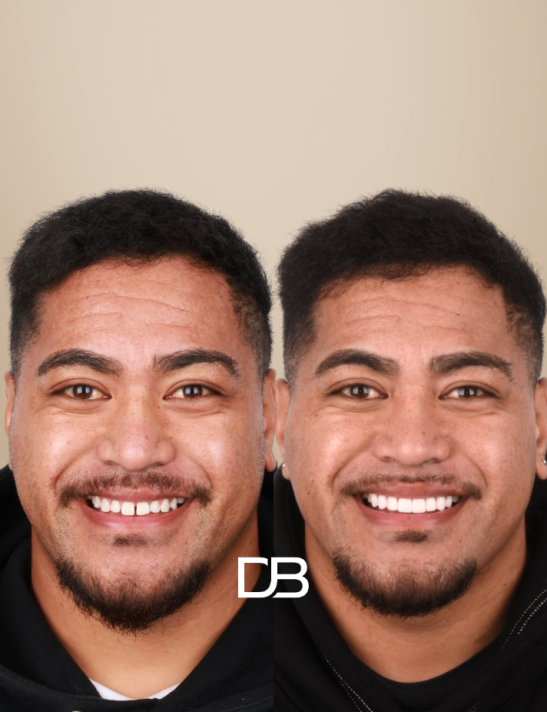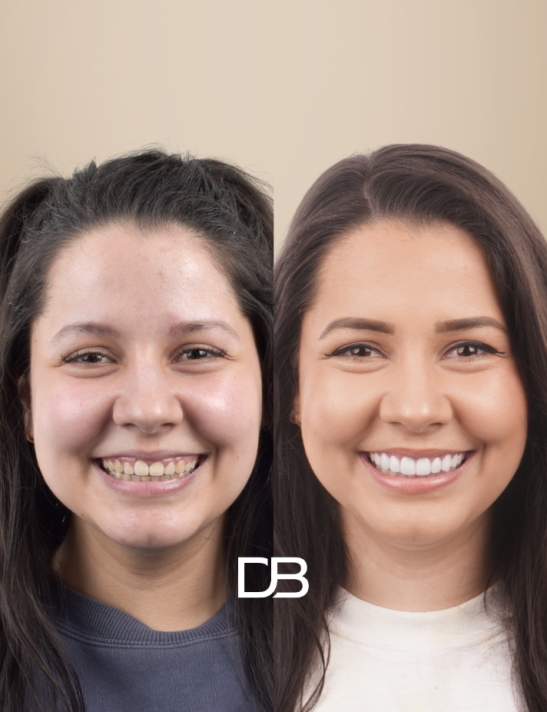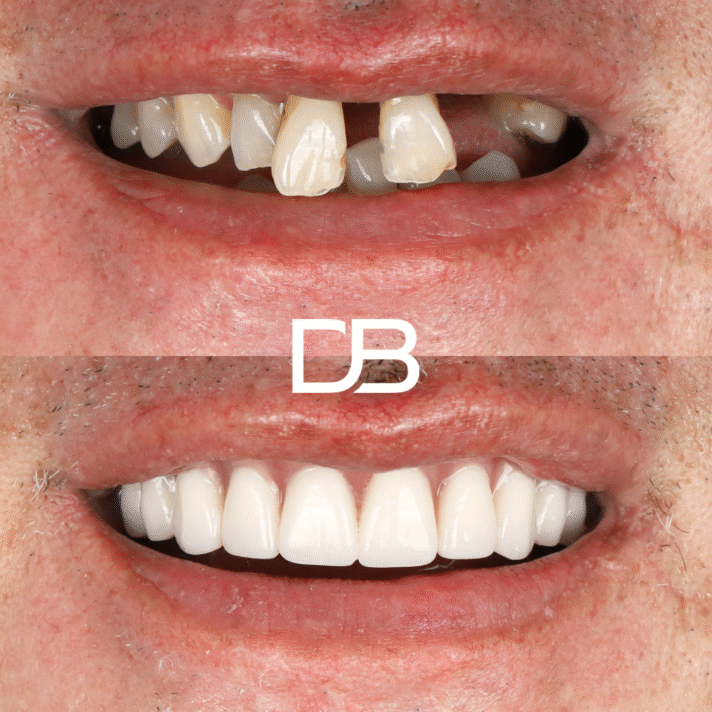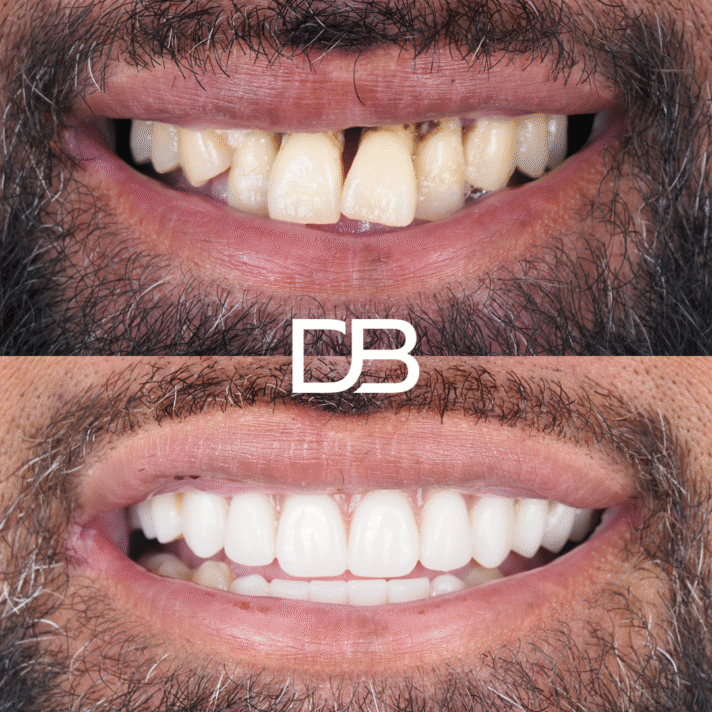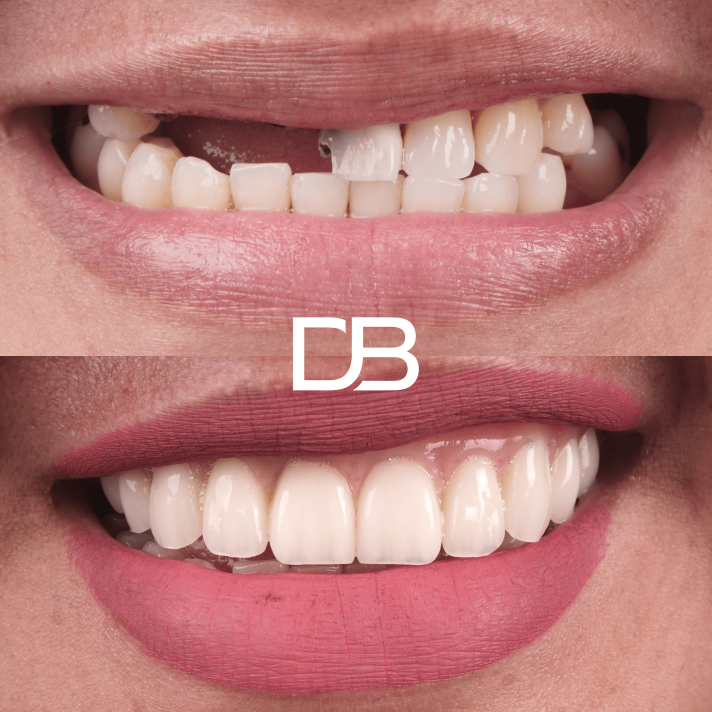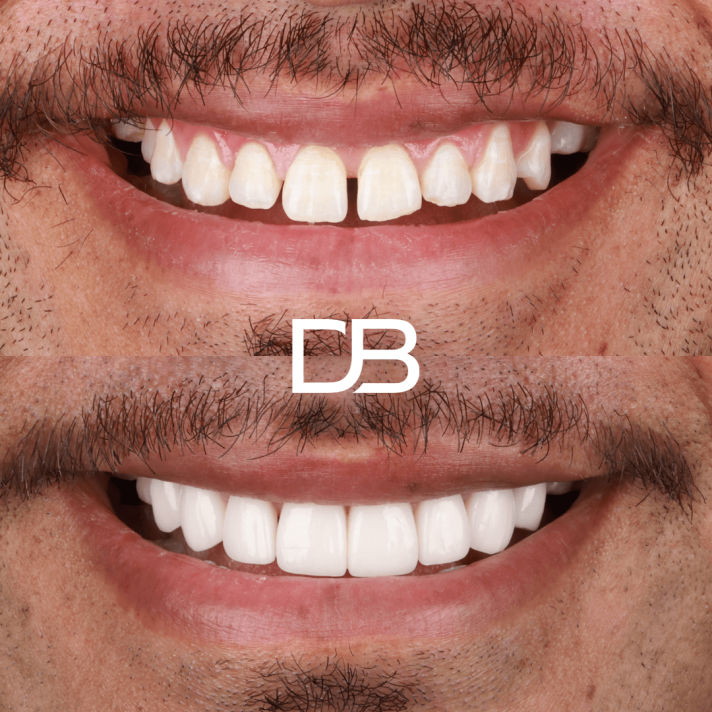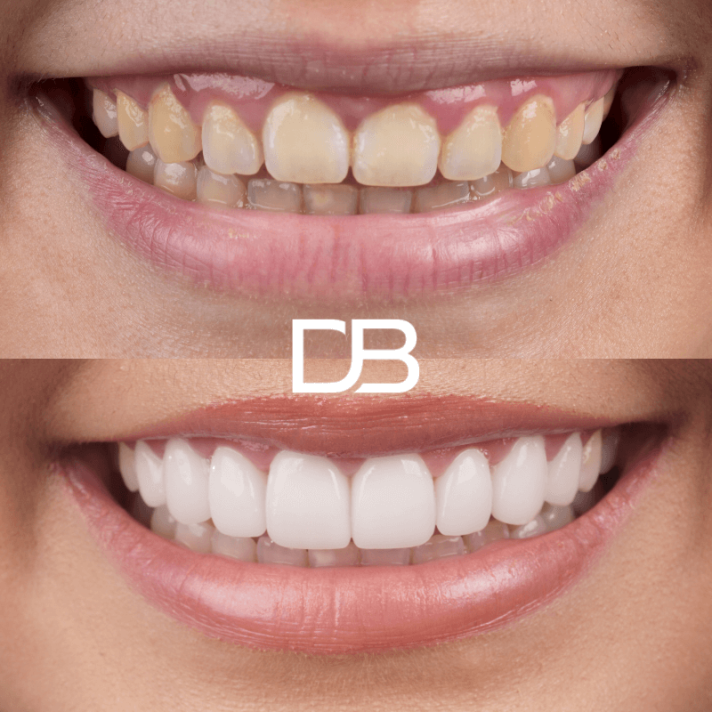




Thinking about freshening up your smile? Two of the most common treatments people ask about are dental bonding(sometimes called composite bonding) and porcelain veneers. Both can help improve the appearance of teeth, but they work in slightly different ways.
This guide will walk you through what each treatment involves, their pros and cons, and things to keep in mind so you can feel more confident when speaking with your dentist.

What Is Dental Bonding?
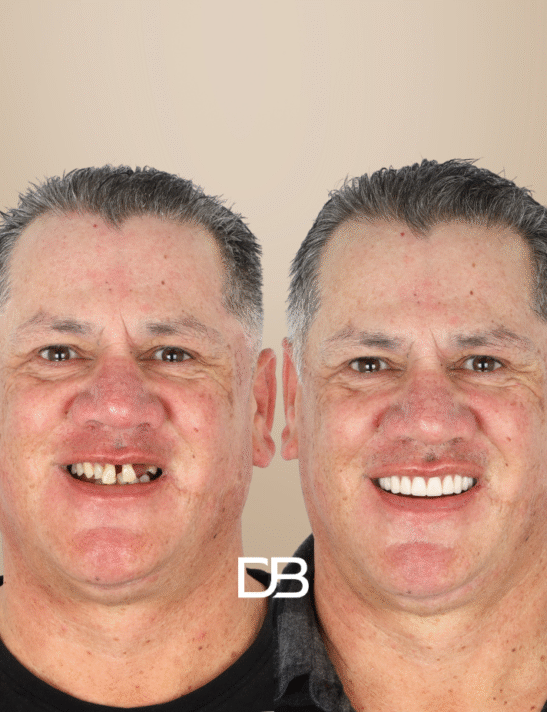
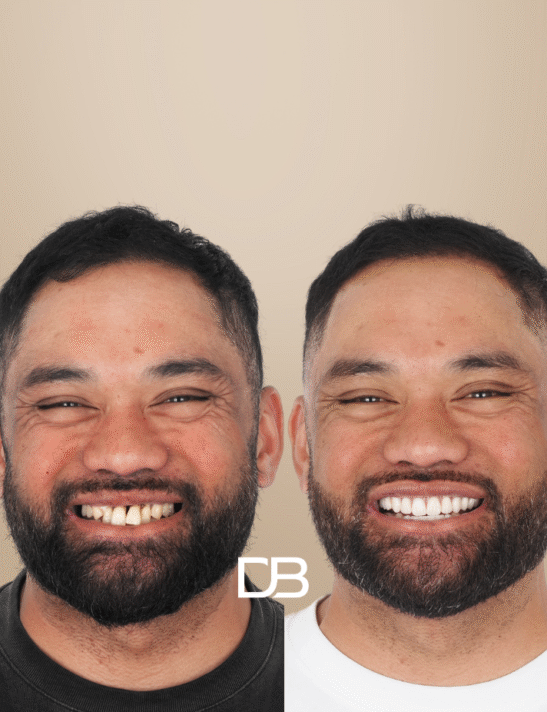
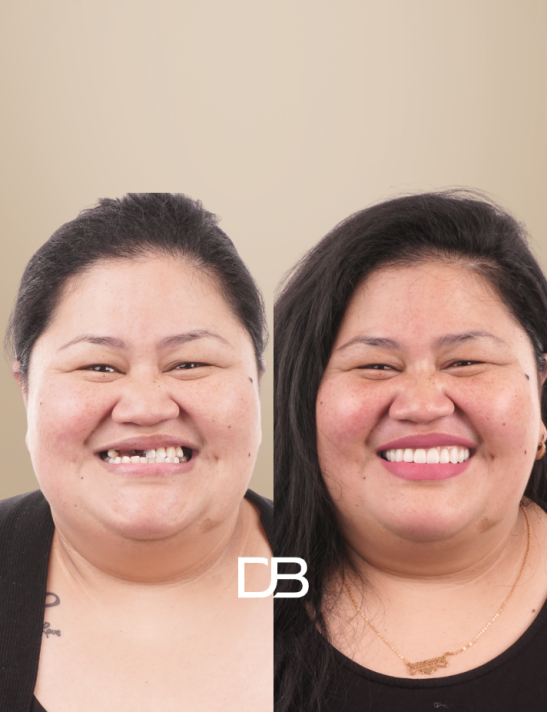
Dental bonding, is a treatment where a tooth-coloured resin is carefully shaped and applied to your tooth. This treatment is commonly used to conceal chips in the teeth, fix gap-toothed smiles, and address stains and discolouration.
It can be used to:
- Fill small gaps between teeth
- Cover chips or cracks
- Improve the appearance of stains or discolouration
One of the reasons people consider bonding is that it can often be done in a single appointment. But it’s good to know that the material isn’t as strong as porcelain and may need replacing sooner.
What Are Porcelain Veneers?
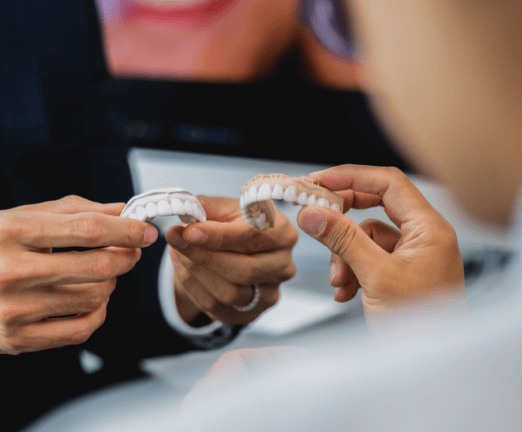
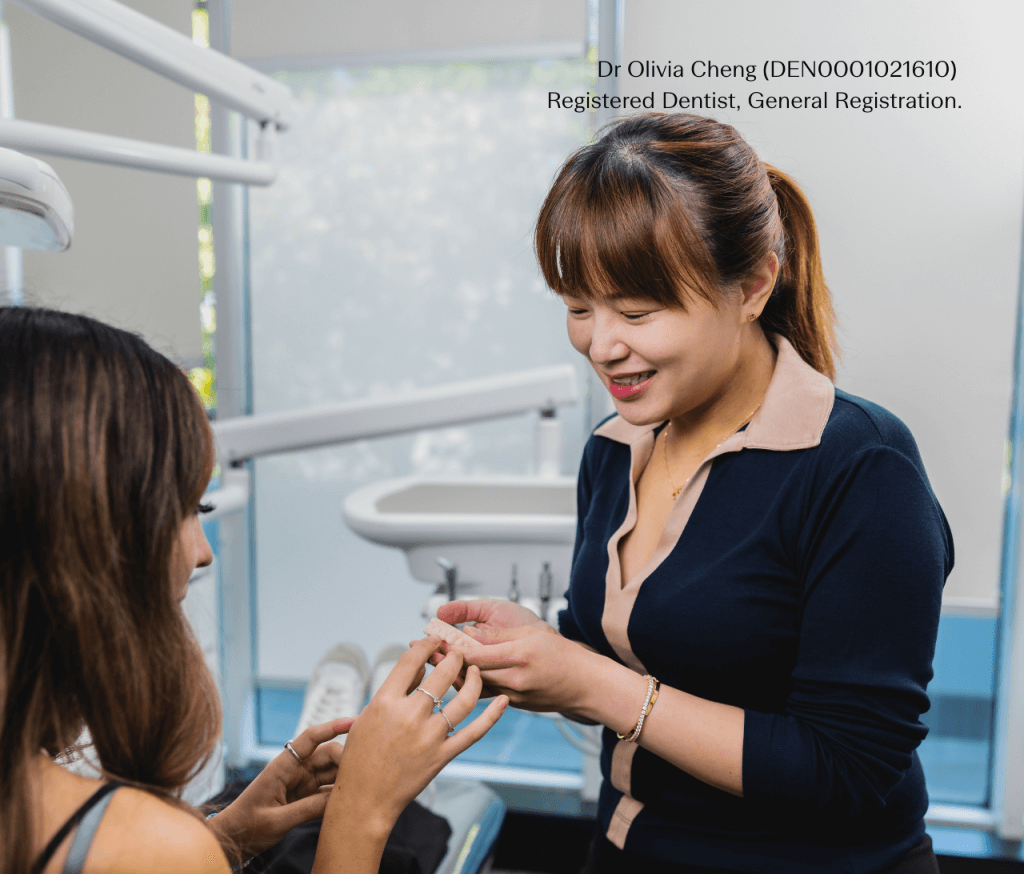
Porcelain veneers are thin, custom-made shells that sit over the front of a tooth. They’re designed to change the way the tooth looks — whether that’s covering stains that whitening didn’t help, restoring chipped enamel, or improving the appearance of uneven or gappy teeth.
Veneers usually take a few visits to complete because they are custom-designed to your teeth and smile. They are considered a permanent restoration, so it’s important to think carefully before starting treatment.
It’s important to note that veneers are a permanent restoration and a lifelong commitment.
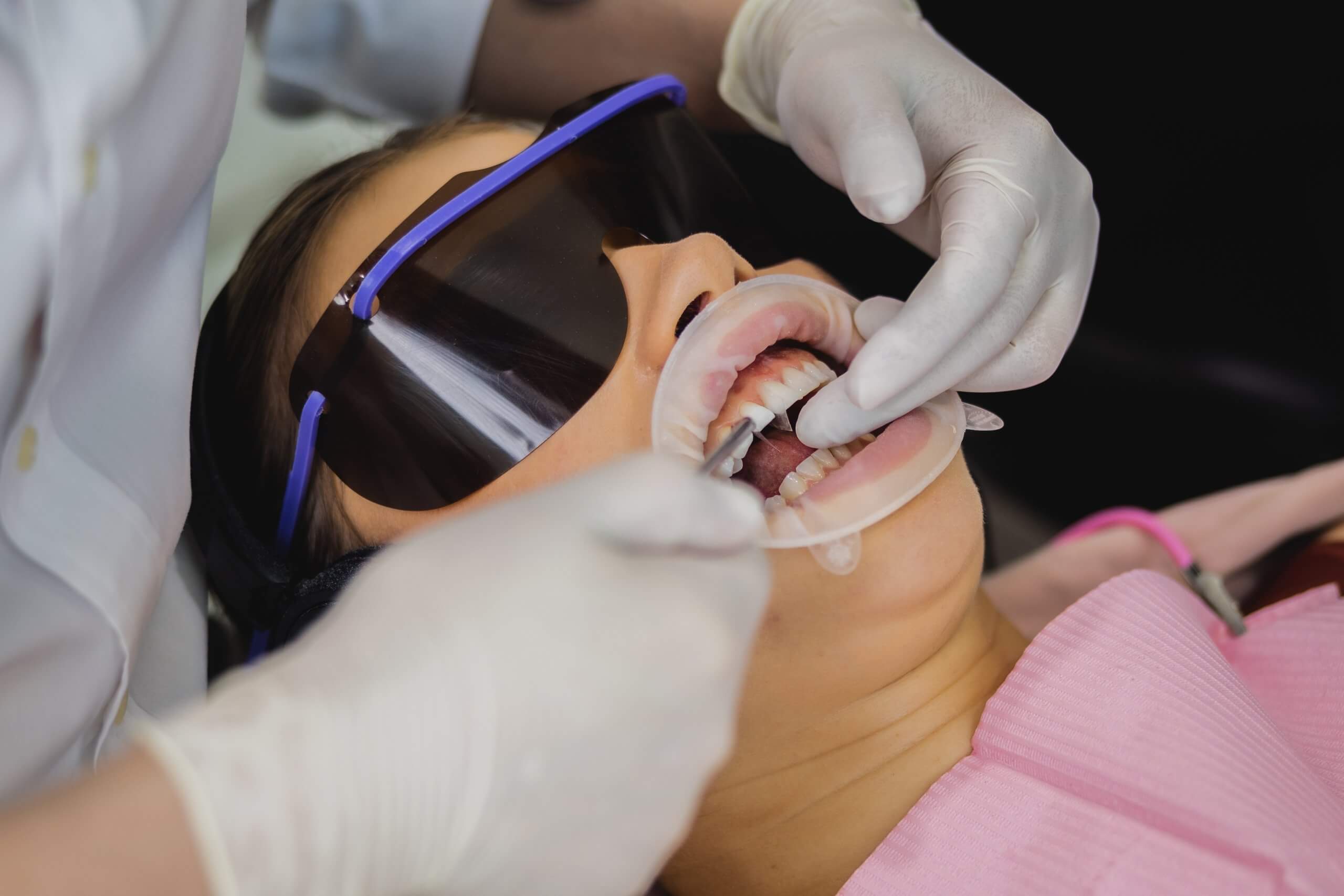
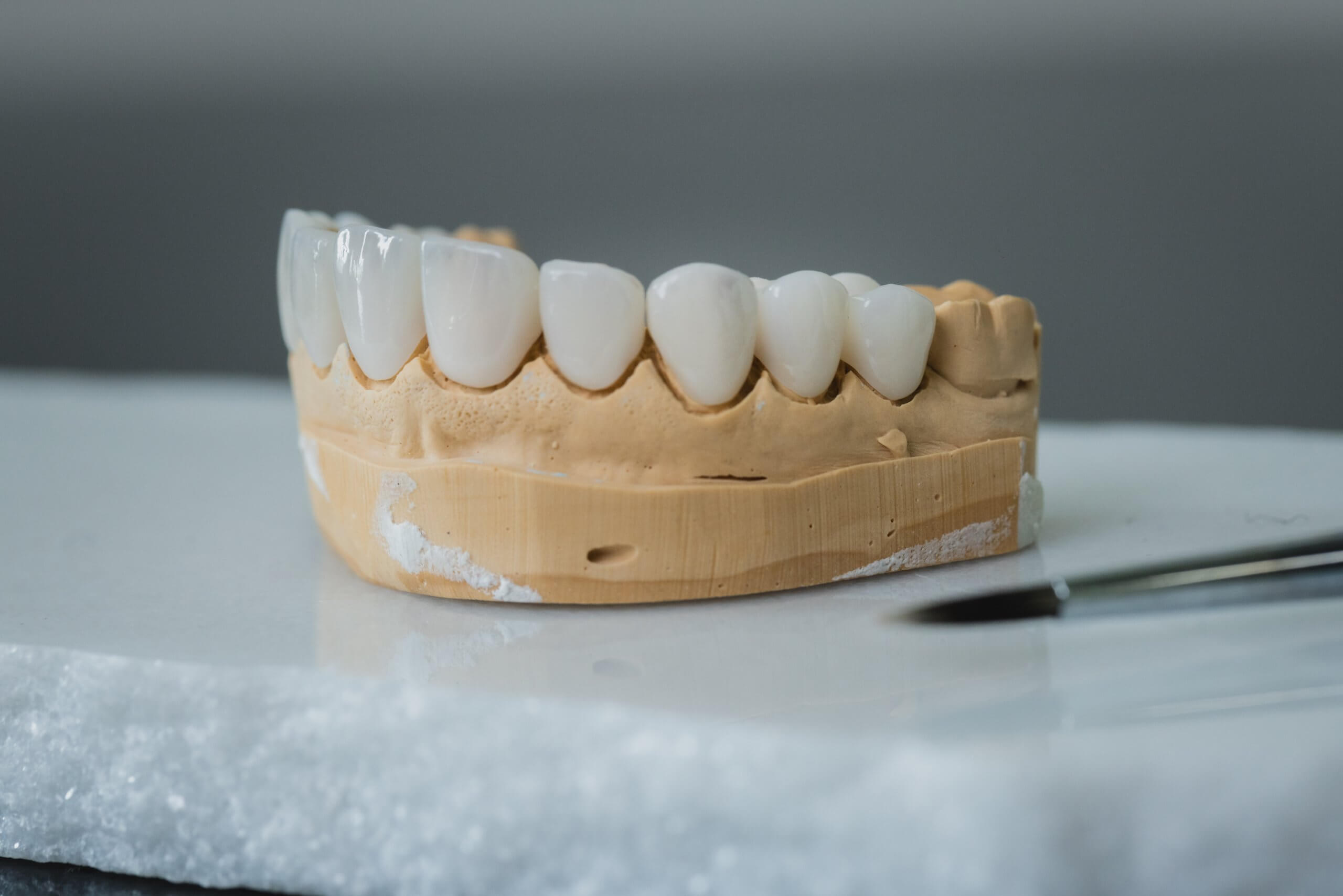
The Pros and Cons of Dental Bonding Vs Porcelain Veneers
The difference between composite bonding and porcelain veneers lies in their longevity, cost, and procedure.
Cost
Veneers are considered more durable, whereas composite dental bonding is more prone to breakage and may require replacement more frequently.
Bonding: Usually less expensive upfront, but may need more maintenance or replacement earlier.
Veneers: Higher initial cost, but porcelain is more durable when cared for.
Appearance
Both porcelain veneers and dental bonding aim to blend in with the colour of your surrounding teeth. Veneers are more stain-resistant, whereas dental bonding is more prone to darkening over time.
Bonding: Matches the colour of your teeth but may stain easier over time.
Veneers: Porcelain is more resistant to staining.
Longevity
Bonding: Shorter lifespan (3-7 years) may need touch-ups or replacements.
Veneers: Can last many years (10-15 years) with proper care, but they are not indestructible.
While porcelain is not indestructible, it’s more durable than composite resin. Depending on what type of dental concern you’re addressing, composite bonding could still be treatment to consider.
Treatment Goals
Depending on your goals, a combination of dental bonding and veneers could be a viable option.
Bonding: Often used for small chips or gaps.
Veneers: May be more suitable for bigger changes and possibly across multiple teeth.
So, How Do You Decide?
It really comes down to what you’re hoping to achieve, your budget, and your oral health. Some people even choose a combination of both treatments, depending on the areas they want to improve.
If you’re thinking about whitening your teeth, you might start there first. If whitening doesn’t give you the results you’d like, veneers could be the next option to explore. For smaller chips or gaps, bonding might be enough.
A dentist can walk you through which option suits your situation best and answer any questions you have
Risks and Considerations
Like all dental treatments, bonding and veneers come with risks. These can include sensitivity, chipping, or needing replacement over time. Recovery and results are different for everyone.
For more detail, visit our treatment risks page.
Before deciding on treatment, it’s a good idea to:
- Speak with an AHPRA-registered dentist
- Ask about risks, alternatives, and maintenance
- Consider a second opinion if you’re unsure
Summary
- Bonding: Quicker, more affordable, but less durable.
- Veneers: Longer-lasting, stain-resistant, but more expensive and permanent.
- Your choice depends on your goals, oral health, and budget.
- Every smile is unique — what works for one person might not be right for another. The best step is to have a conversation with your dentist, who can help guide you through your options.