



Wondering how much veneers cost in New Zealand? The cost of veneers can vary depending on the type of veneers you choose, how many teeth are being treated, and the level of customisation involved.
In New Zealand, composite veneers generally range from approximately $750–$890 per tooth, while porcelain veneers typically range from around $2,200–$2,450 per tooth.
In this guide, we’ll explain the factors that influence veneer pricing, the differences between porcelain and composite veneers, and whether payment plans may be available.
What can influence the cost of veneers in New Zealand?
Veneers are highly customised cosmetic dental treatments, which means pricing can vary significantly from one smile to another.
Why veneer costs can vary between patients
No two smiles are exactly the same. Some patients only want to improve one chipped or discoloured tooth, while others are looking for a complete smile makeover involving multiple teeth.
Factors that can influence veneers cost include:
- The number of teeth being treated
- Existing tooth wear or damage
- Bite alignment
- Smile symmetry goals
- The level of cosmetic customisation required
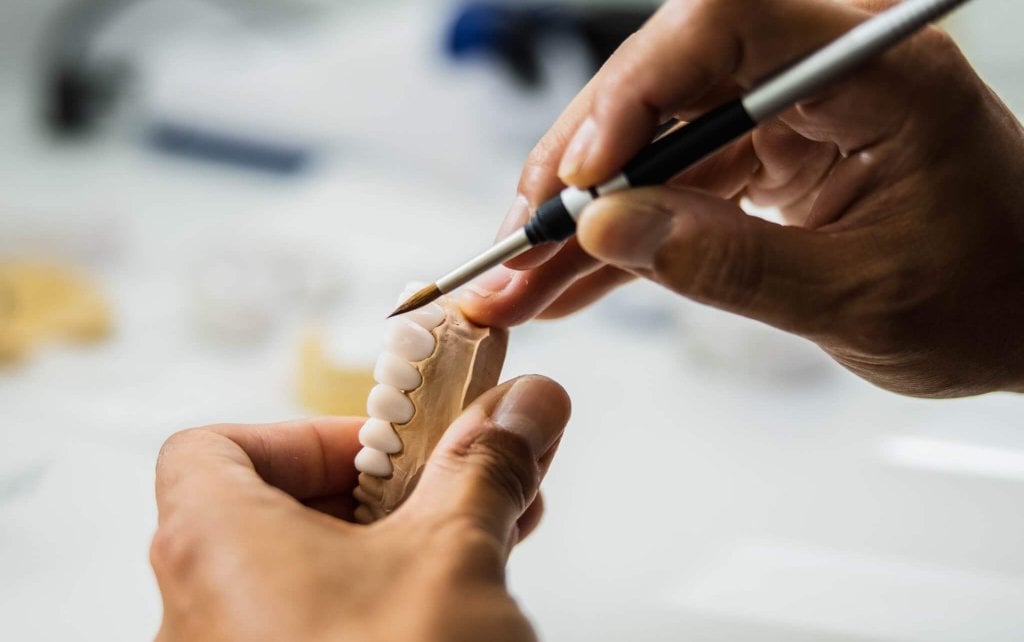
More complex smile makeover cases often involve additional planning, design work, and collaboration between the dentist and dental ceramist.
Porcelain veneers vs composite veneers: Cost differences
One of the biggest factors affecting veneer pricing is the type of veneers chosen.
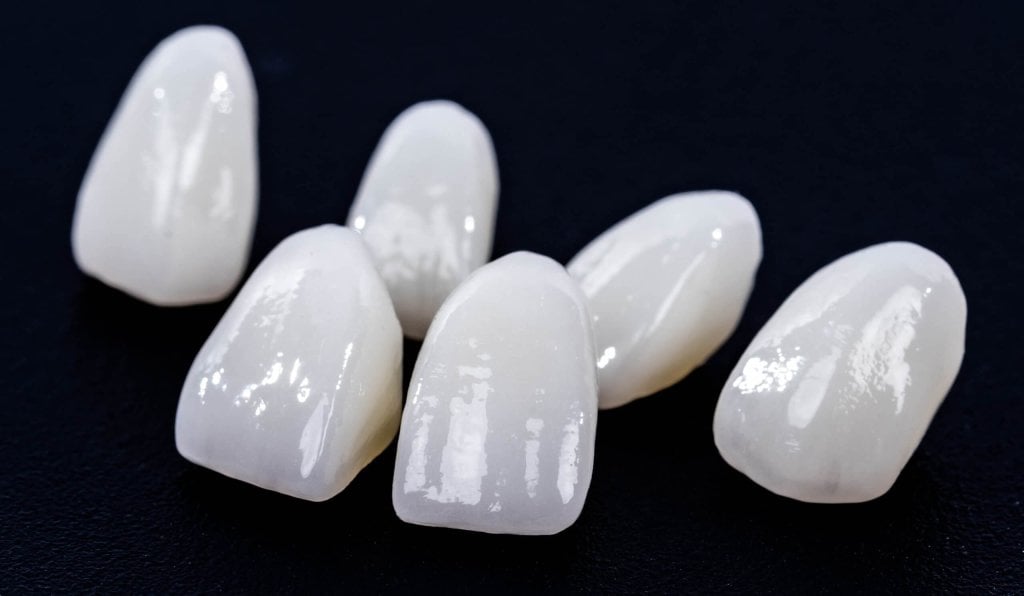
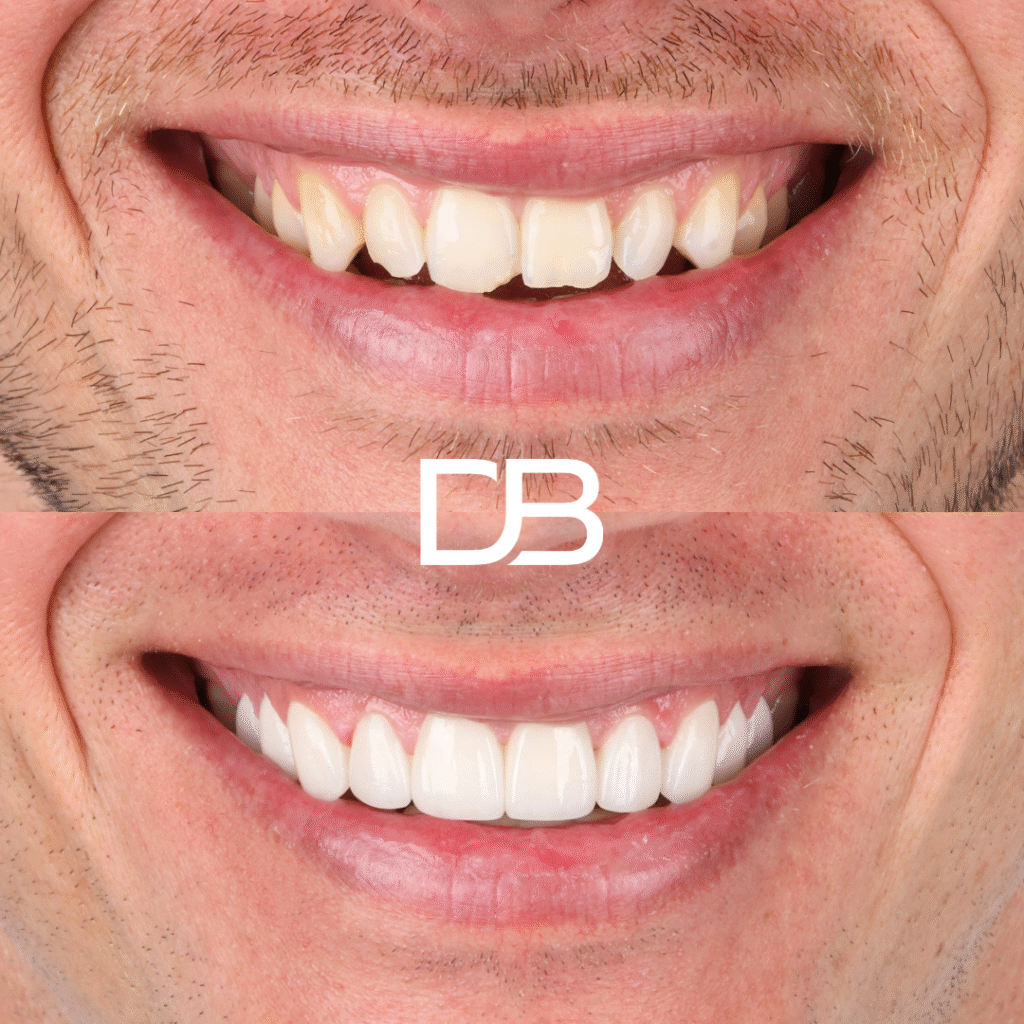
Porcelain veneers are custom-made ceramic shells created in a dental laboratory. They’re popular for their highly natural appearance, durability, and stain resistance.
Composite veneers are sculpted directly onto the teeth using composite resin material. They are generally more affordable and can often be completed faster.
| Feature | Porcelain Veneers | Composite Veneers |
| Cost | Higher initial investment | More affordable upfront |
| Durability | Typically lasts 10–15+ years with good care | Typically lasts 3–7 years and may require touch-ups |
| Appearance | Highly customised with exceptional aesthetics | Natural-looking with good aesthetic results |
| Stain Resistance | Highly resistant to staining | More susceptible to staining over time |
| Treatment Time | Usually completed over 2–3 visits | Often completed in a single appointment |
Single tooth veneers vs multiple veneers
Treating a single tooth is usually less expensive than treating multiple teeth. However, when several veneers are placed together, more planning is often needed to create a balanced and natural-looking smile.
Many patients focus on the upper front teeth because these are the most visible when smiling and speaking. Others choose a more complete cosmetic smile transformation involving both the upper and lower teeth.
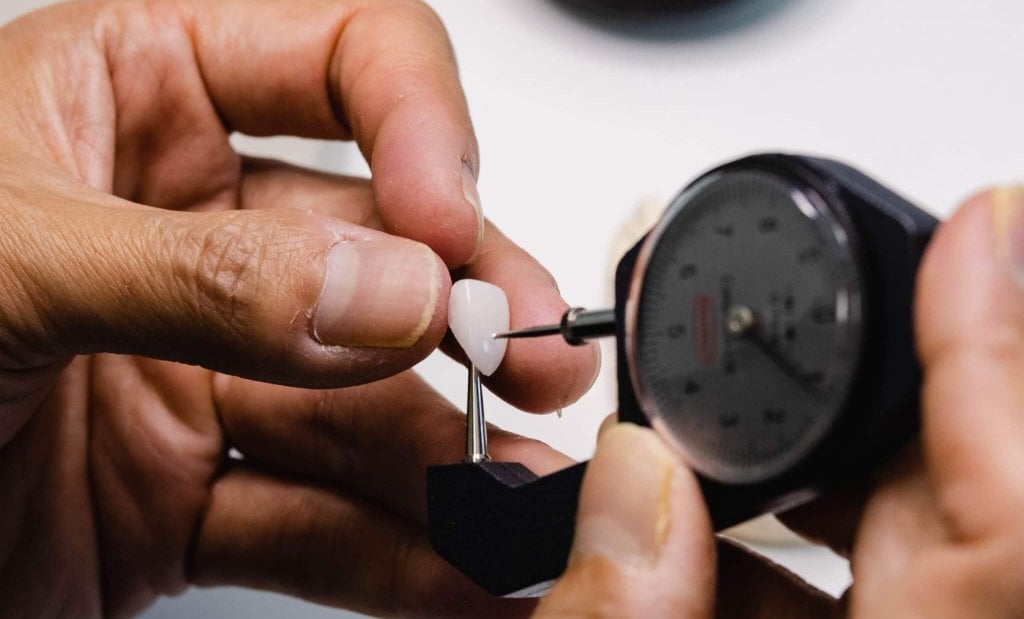
The type of veneer material used
Not all veneer materials are the same.
Some porcelain systems are designed for strength, while others focus more on lifelike translucency and aesthetics. Premium ceramic materials and advanced techniques can influence the overall cost of treatment.
The most suitable material depends on the patient’s smile goals, bite, and existing tooth structure.
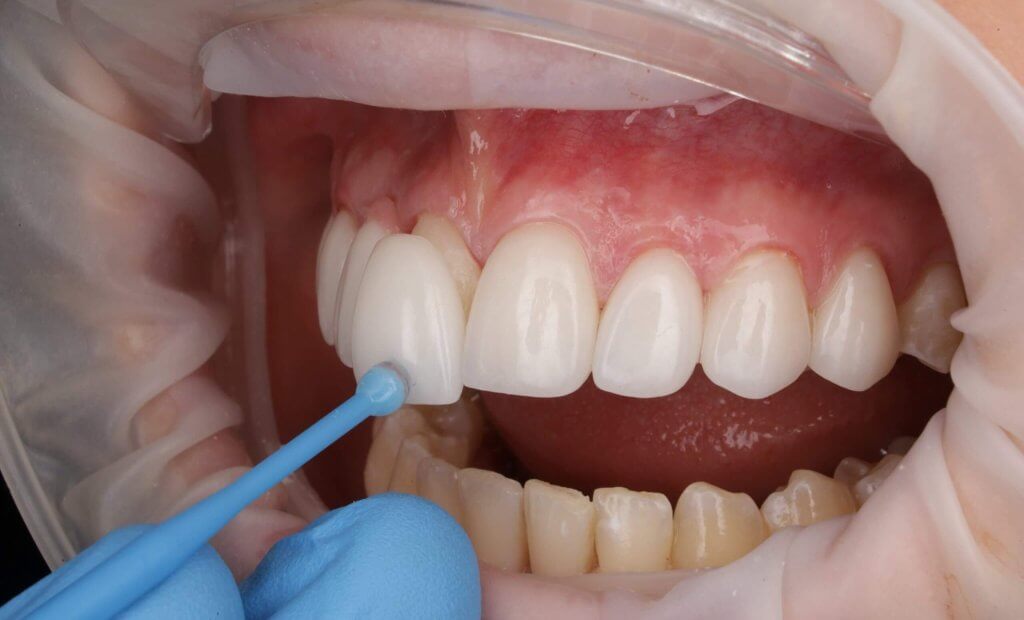
Smile design & planning
Modern veneer treatment involves much more than simply placing veneers onto teeth.
Detailed smile planning may include:
- Digital smile design
- Photography
- Smile mock-ups
- Bite analysis
- Facial symmetry assessment
This planning process helps create veneers that suit the patient’s facial features, smile line, and natural tooth proportions rather than looking overly white or artificial.
Dentist experience & ceramist involvement
Creating natural-looking veneers requires both technical precision and artistic skill.
Experienced cosmetic dentists often work closely with highly trained dental ceramists to customise the shape, colour, and overall appearance of each veneer.
This level of craftsmanship can influence porcelain veneer cost NZ patients may receive, particularly for more advanced cosmetic smile makeover cases.
Any pre-treatment dental work needed
Some patients may require additional dental treatment before veneers can be placed.
This could include:
- Professional cleaning
- Gum treatment
- Replacing old fillings
- Orthodontic treatment
- Repairing damaged teeth
Addressing these issues beforehand can help create a healthier foundation for long-term veneer success.

Porcelain veneers cost NZ
Porcelain veneers are often considered the premium veneer option because of their aesthetics, durability, and long-term appearance.
Why porcelain veneers usually cost more
Porcelain veneers involve a detailed multi-step process that may include:
- Smile analysis and planning
- Tooth preparation
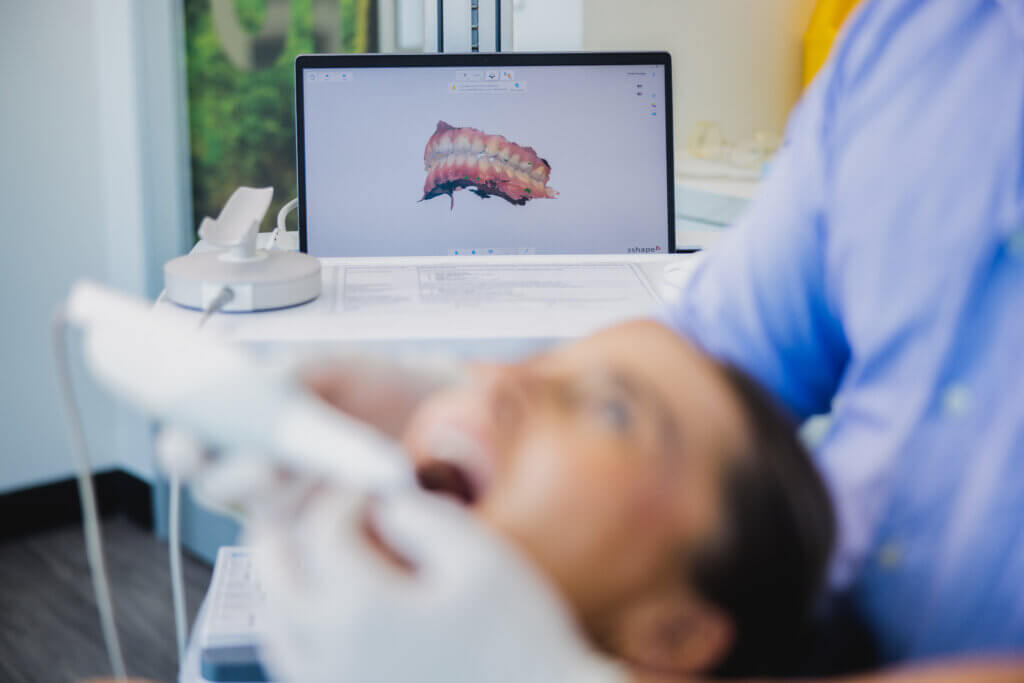
- Digital scans or impressions
- Temporary veneers
- Custom ceramic fabrication
- Final fitting and adjustments
Each veneer is individually handcrafted to suit the patient’s smile, which is one reason porcelain veneers generally cost more than composite veneers.
How long porcelain veneers can last
With good oral hygiene and regular dental care, porcelain veneers can last many years.
Many patients choose porcelain veneers because they are generally:
- More stain resistant
- More durable
- Better at maintaining long-term aesthetics
- Highly natural in appearance
Their longevity still depends on factors such as teeth grinding, bite pressure, and overall oral health.
When porcelain veneers are recommended
Porcelain veneers are commonly chosen to improve:
- Deep staining or discolouration
- Chipped or worn teeth
- Small gaps between teeth
- Uneven tooth shapes
- Smile symmetry
- Cosmetic concerns resistant to whitening
They are often recommended for patients wanting a highly refined, natural-looking smile transformation.
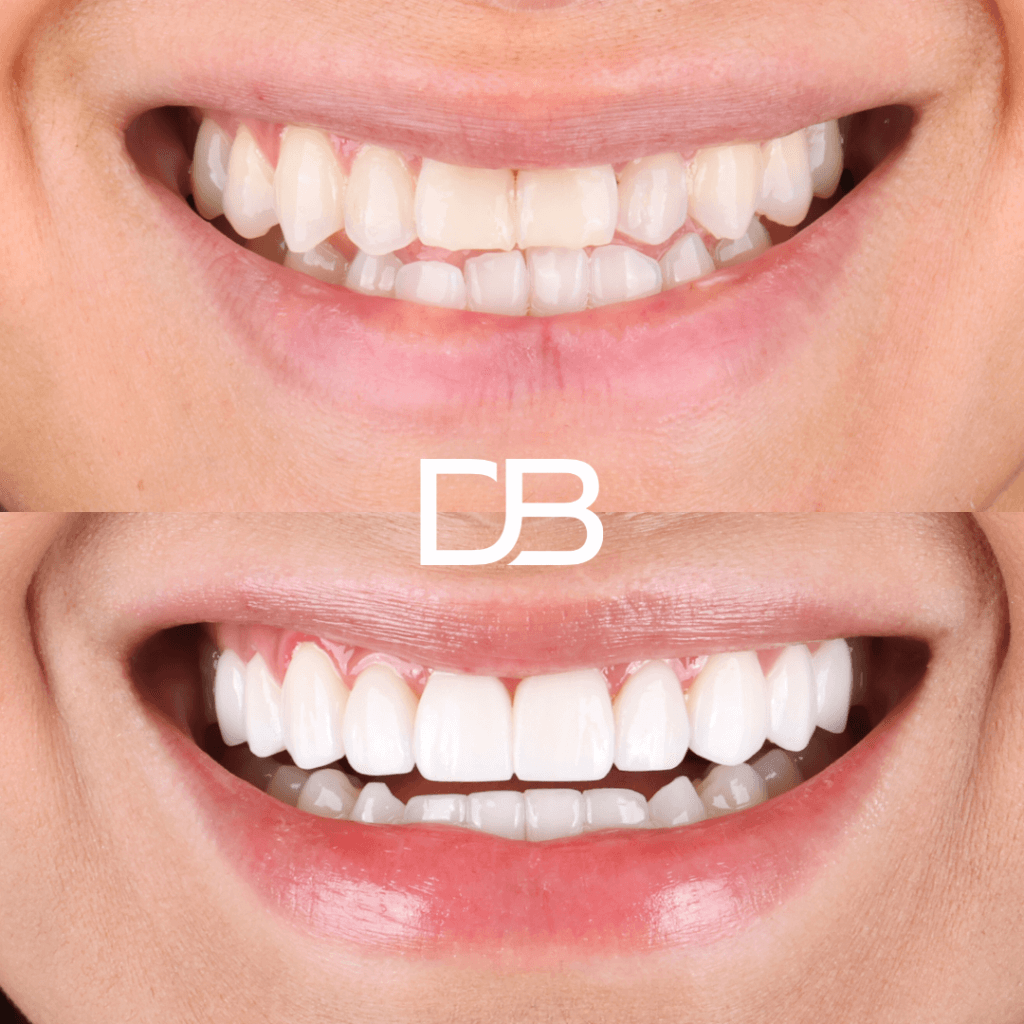
Composite veneers cost NZ
Composite veneers are generally considered a more affordable cosmetic dentistry option.
Why composite veneers are usually lower cost
Composite veneers are usually applied directly to the teeth in the dental chair without requiring a dental laboratory.
This can reduce:
- Laboratory costs
- Treatment time
- Overall treatment expenses
As a result, composite veneers are often lower in cost compared to porcelain veneers.
How composite veneers differ from bonding
Composite veneers and dental bonding both use composite resin material, but they are not exactly the same treatment.
Bonding is often used to repair and refine smaller cosmetic concerns such as chips or cracks. Composite veneers usually involve reshaping and covering more of the visible tooth surface to improve the overall appearance, shape, and colour of the smile.
When composite veneers could be suitable
Composite veneers may suit people looking for:
- A more budget-friendly cosmetic option
- Faster treatment
- Minor smile improvements
- A less invasive approach
However, composite veneers are generally more prone to staining and wear over time compared to porcelain veneers.
Are veneer payment plans available at Dental Boutique?
Many people exploring cosmetic dentistry ask whether payment plans are available for veneers and smile makeover treatment.
At Dental Boutique™, a range of payment options are available to help make dental treatment more accessible. The team understands that finances can sometimes feel like a barrier to achieving your ideal smile, which is why flexible payment options are offered across a variety of treatments.
Available payment options may include:
- Gem Interest Free Plans
- Q Card
- Upfront payment
- Eftpos
- Cash payments
- WINZ where applicable
- ACC-supported treatment where applicable
- Other approved payment methods
During your consultation, the team can discuss estimated treatment costs, suitable veneer options, available payment pathways, and timelines to help you better understand your options before starting treatment.
Loan terms, rates, fees, repayments, and approval criteria can vary depending on the individual application and provider requirements.
Why a consultation is needed for an accurate quote
Because every smile is different, it is difficult to provide an exact veneer price without a proper assessment.
A personalised consultation allows the dentist to evaluate:
- Your smile goals
- Tooth and gum health
- Bite alignment
- The number of veneers required
- Suitable veneer materials
- Any additional dental treatment needed
This helps create a treatment plan tailored specifically to your smile and long-term cosmetic goals.

Risks of poorly planned veneers
Well-designed veneers should enhance your smile without looking bulky, overly white, or unnatural.
Poorly planned veneers can sometimes affect both appearance and bite function, particularly when treatment focuses only on cosmetic changes without considering long-term oral health.
Potential issues may include:
- An unnatural appearance
- Bite problems
- Gum irritation
- Tooth sensitivity
- Chipping or breakage
- Difficulty cleaning around veneers
Careful smile planning, high-quality materials, and experienced cosmetic dentistry can all play an important role in achieving a natural-looking result.
Summary
- Veneer costs in New Zealand vary depending on the material used and complexity of treatment
- Porcelain veneers generally cost more than composite veneers
- Composite veneers are often a more affordable cosmetic option
- Smile design and customisation can influence pricing
- Multiple veneers usually cost more than single tooth treatment
- Additional dental work may be needed before veneers
- Payment plans may be available depending on eligibility
- A consultation is the best way to receive accurate pricing and treatment recommendations